
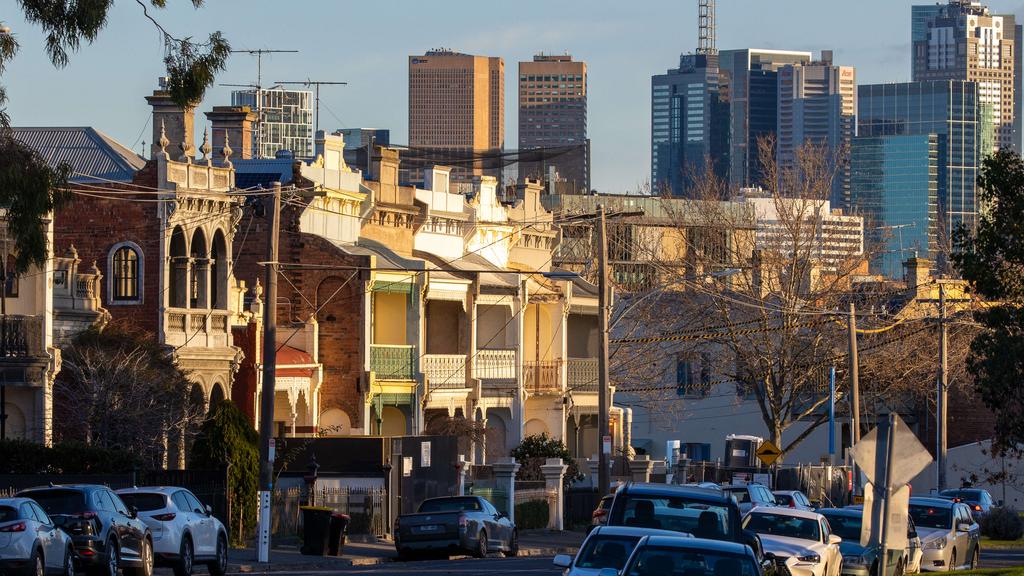
Melbourne house prices have ended spring a whopping $59,300 better off than they were at the same time last year as the city’s typical home value rose to $1.015m in November.
But the rate of the city’s growth is slowing, with a 0.3 per cent uptick in the past month adding just a few thousand dollars leading to it being outpaced by every other major capital except Darwin and Hobart.
In Sydney, Brisbane, Adelaide and Perth, house prices are up anywhere from $103,000-$142,300 in the past year — and a spring misstep by sellers could be the reason for the gap.
PropTrack senior economist Eleanor Creagh said more choice for homebuyers across spring had been enough to limit the pace of growth more recently.
“We’ve seen the pace of growth in November slowing compared to last month in Melbourne, with a big uplift in new listings throughout October,” Ms Creagh said.
She added that with unexpectedly high inflation data released last week almost guaranteeing no further interest rate cuts this year, it was likely Melbourne would finish the year with fairly modest growth.
“The extended pause on interest rates may temper momentum in the pace of price growth, but I don’t think Melbourne will return to a reversal in prices,” Ms Creagh said.

PropTrack senior economist Eleanor Creagh says Melbourne’s growth has slowed compared to other major capitals. Picture: John Gass.
In good news for first-home buyers, the Victorian capital is facing a protracted timeline as one of the nation’s most affordable — and is attracting less investor activity than others.
“Brisbane and Adelaide prices are still rising at a much faster pace than Melbourne, particularly this month,” Ms Creagh said.
“Brisbane’s monthly growth was three times as fast, and Adelaide’s almost five times as fast. “So if current trends continue, Melbourne won’t be gaining ground, necessarily, but values will continue to increase.”
The economist added that more modest increase in investor activity compared to other states this year likely reflected Victoria’s higher land tax costs and a generally more favourable market for tenants.
Both these factors have been heavily influenced by Allan government policies.

The Victorian government’s interventions in the state’s housing market are part of the reason home value growth here is lagging the nation. Picture: NewsWire/Luis Enrique Ascui
“Although based on the comparative affordability that Melbourne offers at the moment and the fact that it is the state forecast to have the strongest population growth out to 2030, for some we’re probably at a point where maybe those land tax increases are offset by the fact that values are comparatively affordable,” Ms Creagh said.
Ray White Victoria chief auctioneer Luke Banitsiotis said in addition to a rise in homeowners selling up over spring, there had also been an increase in landlords looking to sell homes before the next land tax assessment at the end of the year.
Mr Banitsiotis said the result was a balanced market, where homes were selling and giving confidence to more owners considering putting their home on the market, without buyers being rapidly priced out.
Source: 